
Our Uniqueness
Single
Origins
One origin, one story, one distinct fingerprint in the cup. How a coffee cherry is handled between harvest and drying — washed, natural, honey, or anaerobic — shapes its flavor as profoundly as the soil it grew in.
The Foundation
Processing Defines Flavor
Every coffee cherry is a tiny fruit wrapping two seeds — the beans we brew. What happens to that cherry immediately after harvest determines more of the final cup's character than almost anything else in the supply chain.
Two coffees grown on the very same farm, picked from the same trees in the same week, can taste completely different once roasted — one bright and clean, the other heavy, fruity, almost wine-like. The difference isn't the soil or altitude. It's what happened to the cherry in the days following the pick.
Processing shapes three dimensions of flavor:
- Sweetness — how much fruit sugar reaches the bean
- Acidity — the brightness and structure of the cup
- Body — the weight and texture on your palate
| Process | Sweetness | Acidity | Body | Cleanliness |
|---|---|---|---|---|
| Natural | Very High | Medium | Heavy, Syrupy | Fruity |
| Honey | High | Medium-High | Medium | Balanced |
| Anaerobic | Very High | Bright | Medium | Complex |
| Washed | Medium | High | Light | Excellent |
Process 01
Naturals
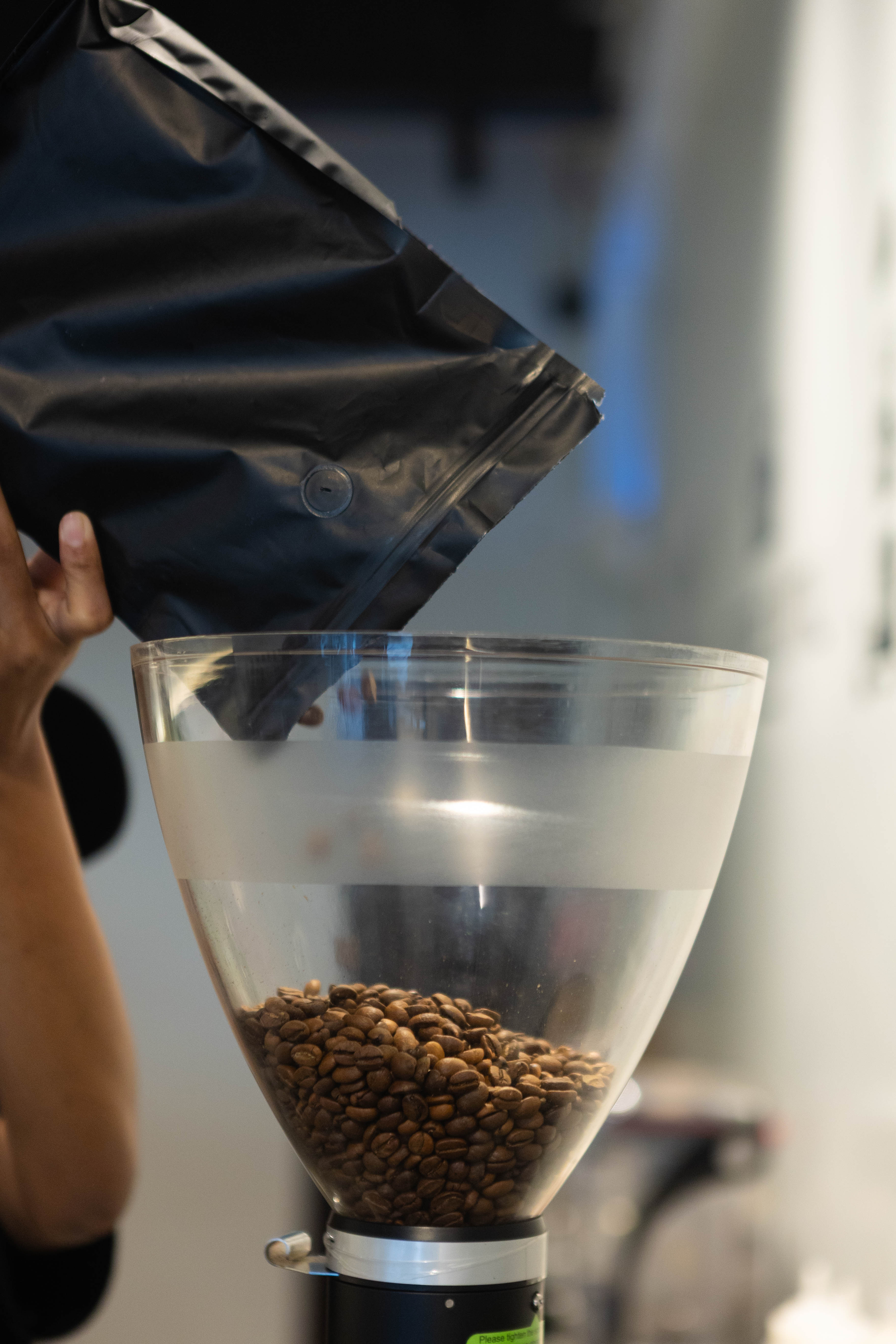
The oldest method of coffee processing. Whole ripe cherries are spread out to dry in the sun with the fruit fully intact — for two to four weeks, sometimes longer. As the fruit dehydrates, sugars migrate from the flesh into the bean, concentrating and transforming the flavor from the inside out.
What happens inside: While the cherry dries on the outside, the interior ferments anaerobically, sealed from oxygen by the skin. Yeasts produce ethanol and esters; lactic acid bacteria add lactic acid. This is why natural coffees exhibit such vivid, jammy fruit — the bean literally marinates in fruit sugars and fermentation compounds for weeks.
In the cup: Intense blueberry, strawberry, and stone fruit notes. A heavy, syrupy body with lower acidity. Occasionally wine-like and funky. The sweetest of all processing methods, because the bean stays in contact with the entire drying fruit.
The risk: Natural processing requires reliably dry, sunny conditions. If drying cherries aren't raked frequently, the fruit can ferment or spoil — producing sour, yeasty off-flavors. It's a collaboration with the weather, and that's exactly what makes great naturals so special.
Process 02
Honey Sun-Dried Coffees
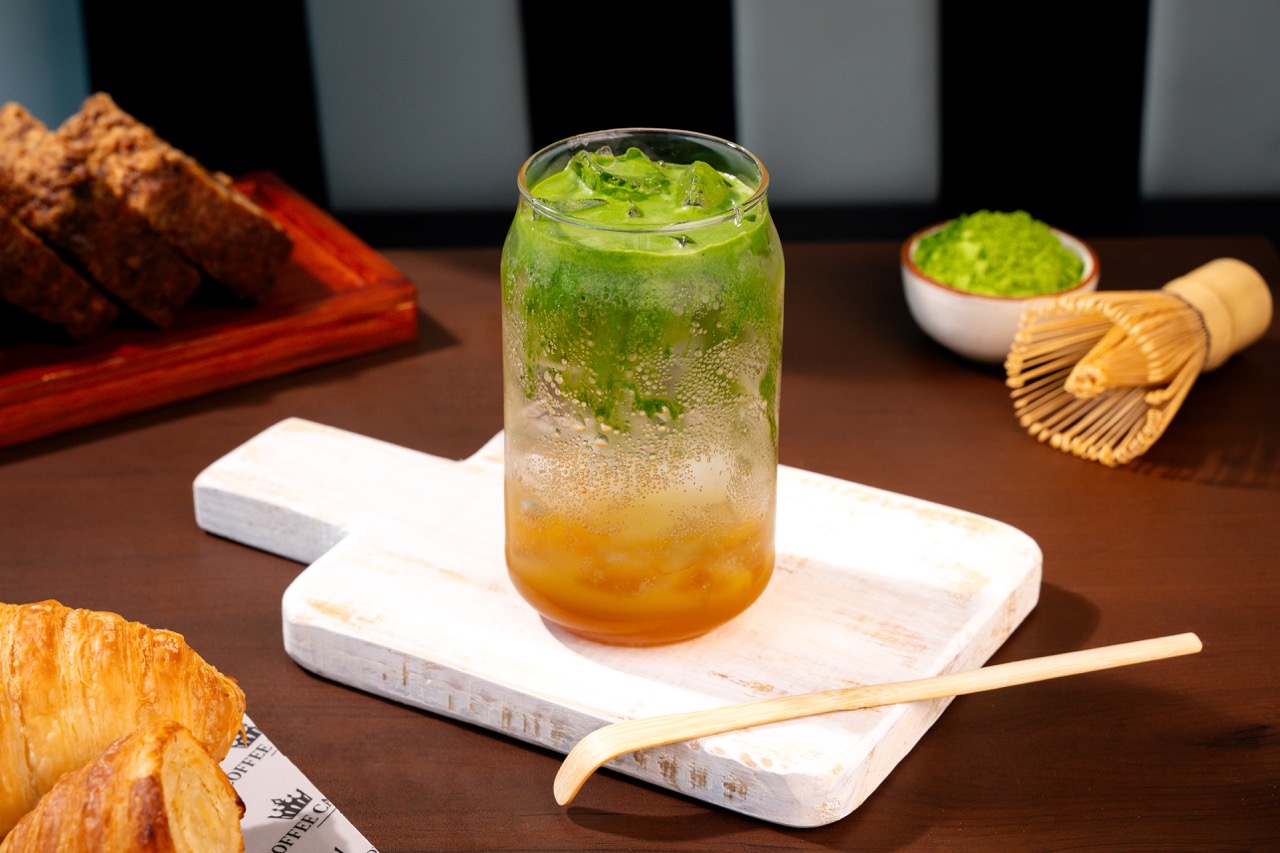
The middle ground between washed and natural. The cherry's skin and pulp are removed (like washed), but the sticky mucilage — the golden, sugary layer clinging to the bean — is left intact during drying (like natural).
Why the name "honey"? No actual honey is involved. The term comes from the sticky, amber appearance of the mucilage-coated parchment as it dries under the sun.
The grades: The amount of mucilage retained determines the profile:
- Yellow honey — 25–50% mucilage, the most common middle ground, closest to washed with noticeable sweetness
- Red / gold honey — 50–75%, slower drying, sweeter and fuller cup
- Black honey — 75–100%, 15+ days drying, closest to a light natural, heaviest body and most intense sweetness
In the cup: Caramel, brown sugar, and toffee from Maillard browning of the retained mucilage sugars. A beautifully balanced cup — sweeter than washed with more clarity than natural. This is why honey coffees appeal to palates that find full naturals too heavy.
Process 03
Anaerobic Coffees
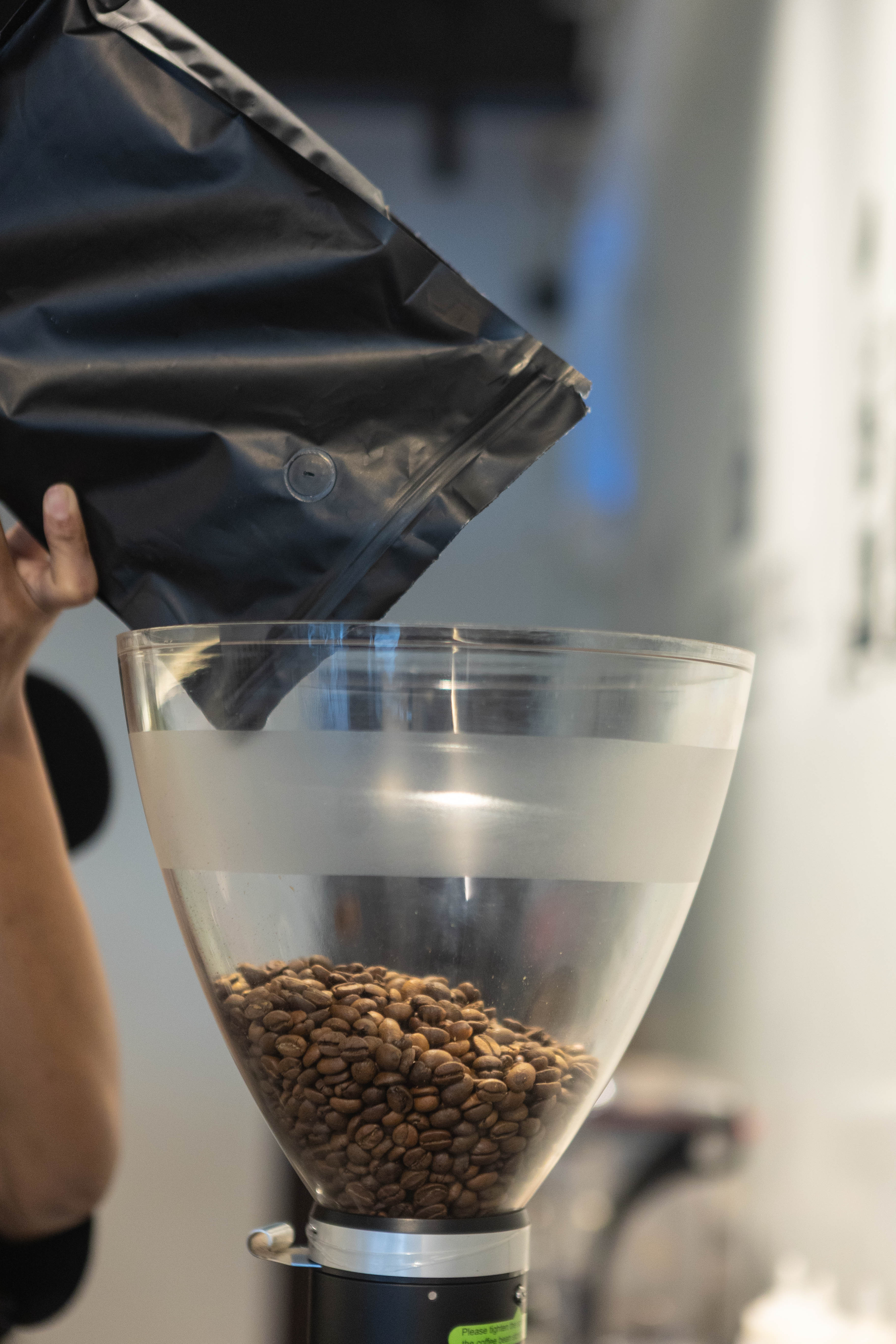
The most experimental — and most intense. Cherries or depulped beans are sealed in oxygen-free stainless-steel tanks, where CO₂ displaces oxygen. Without oxygen, acetic acid bacteria can't thrive; fermentation swings toward yeast and lactic acid bacteria metabolism: ethanol, esters, and lactic acid.
Duration: 48–120+ hours in the sealed environment — far longer and more deliberate than open-air fermentation. Some producers add selected yeast cultures or fruit to steer flavor creation in specific directions.
In the cup: Intensely fruity and floral — blueberry, grape, jasmine, tropical fruit. Lower perceived acidity with a fuller body. The most unique and powerful flavor profile you'll find in the specialty coffee world.
The craft: Anaerobic fermentation is controlled, monitored fermentation, not unregulated spoilage. Reputable producers carefully manage time, temperature, and the sealed environment. Done right, it's explosive flavor; done wrong, it's over-acidic, acetic defects. That precision is the craft.
Roasting
Roasting by Process
Processing directly changes how a bean behaves in the roaster — and a skilled roaster adapts.
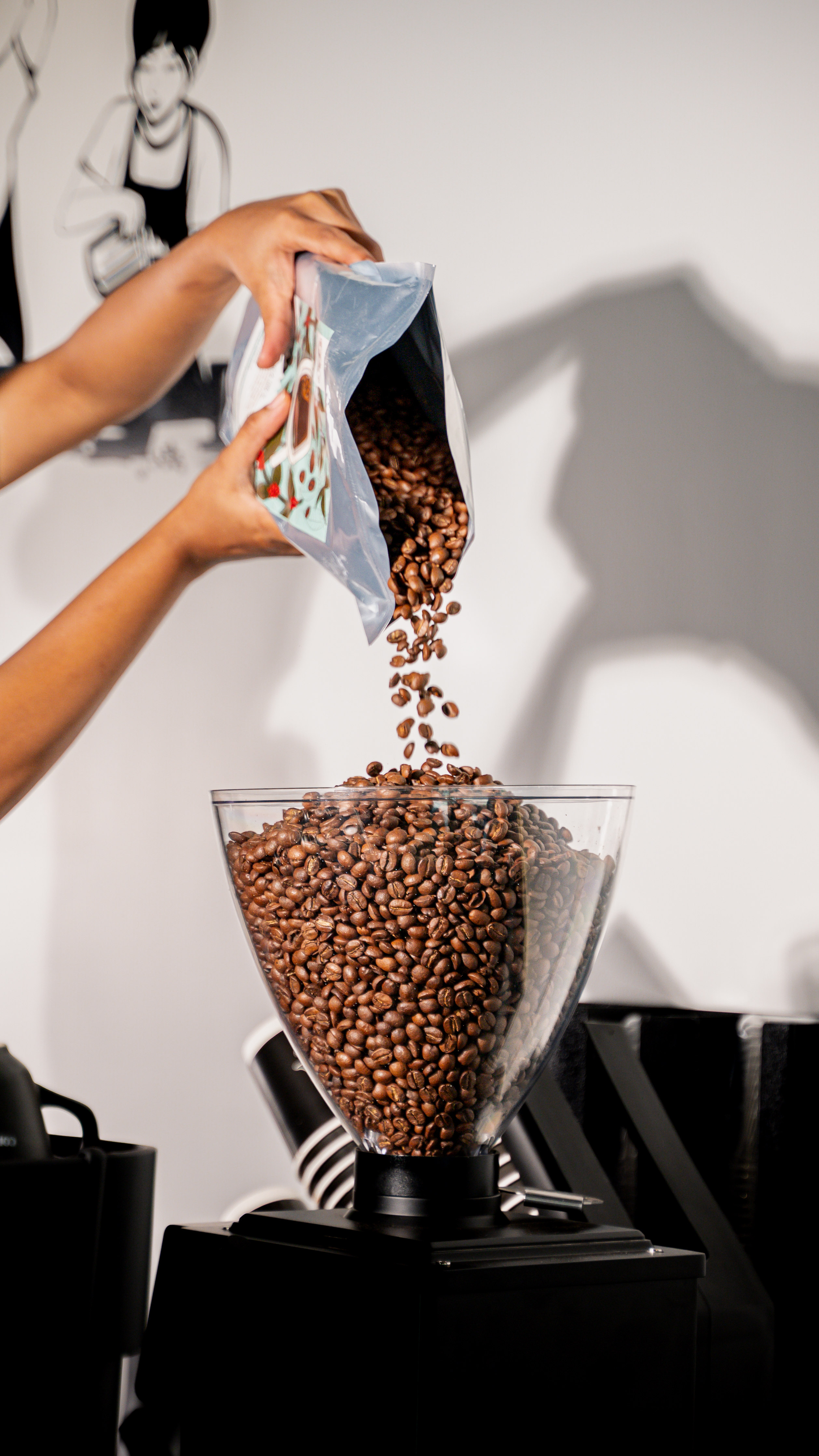
Naturals & honey coffees have denser cores and drier exteriors, with higher retained sugar. The outside can develop while the inside lags. We use a slightly lower charge temperature and more gradual heat through the early phases to avoid scorching the residual sugars, then extend development time.
Anaerobic lots respond to heat differently — often showing sensitivity to high drum temperatures in the browning phase. We back off the charge temperature and extend development time rather than pushing heat, preserving the delicate esters and fermentation-derived aromatics that make these coffees so distinctive.
The result: Every bean is roasted to express its origin and process character — never to mask it. The coffee should taste like where it's from and how it was made, not like a generic "roast profile."
Taste the Origin
Explore our Naturals, Anaerobic, and Honey Sun-Dried coffees — each single-origin lot processed with purpose and roasted to reveal the true character of its terroir.
Shop Single Origins